OEM Audio Upgrades in Detroit, MI
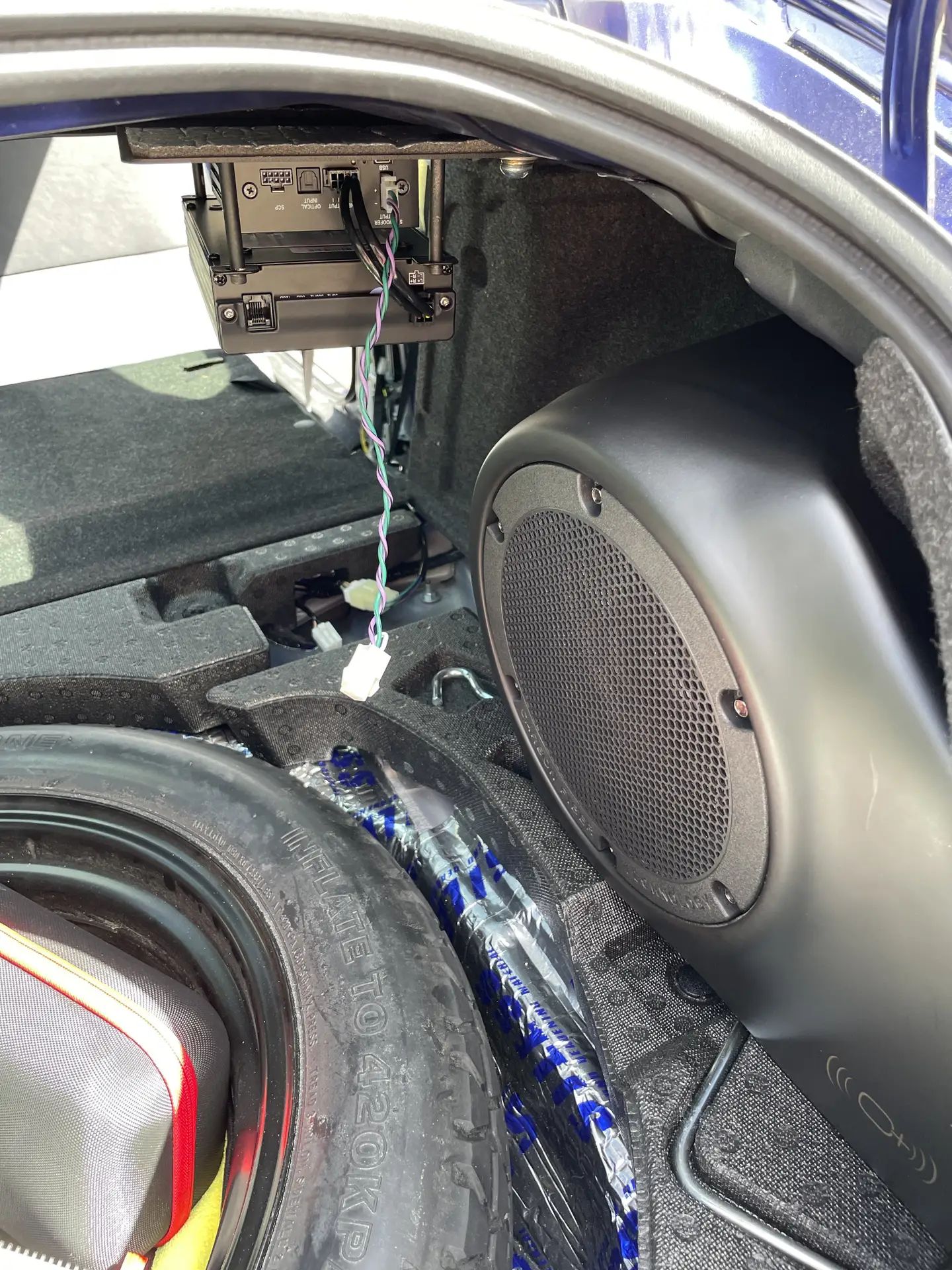
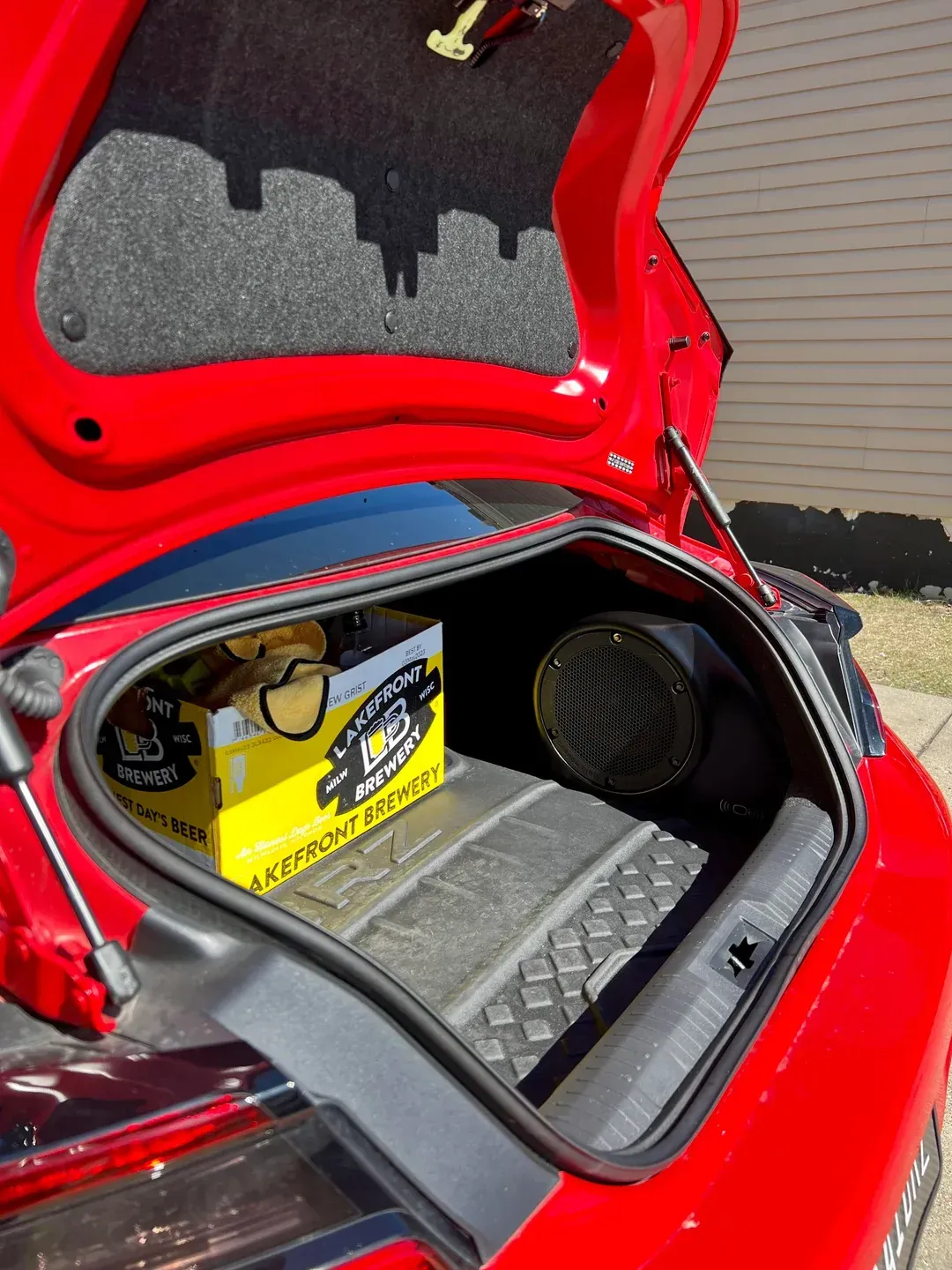
Keep the Factory Dash, Lose the Factory Sound
Many factory radios apply built-in equalization that cuts bass as volume climbs, and premium packages often route signals through a separate amplifier, so a simple speaker swap rarely fixes the sound. Jam Sounds performs OEM audio upgrades that improve what you hear while keeping your original radio, screen, and controls. We serve drivers in Detroit, MI, Wyandotte, Lincoln Park, and Dearborn, upgrading factory systems in late-model trucks, SUVs, sedans, and leased vehicles that need to stay stock looking.
Our approach starts with identifying exactly how your factory system is built, including amplifier location, speaker impedance, and any processing applied before the signal reaches the doors. Then we add converters, processors, amplifiers, and speakers that correct the sound rather than fight it. Through 30+ years of installs, we have learned which factory systems respond to small changes and which need fuller integration. Send your year, make, and model via our contact page for a sensible upgrade plan.
Our OEM Audio Upgrades Services
Factory-Fit Speaker Upgrades
Replacement speakers drop into original locations using vehicle-specific brackets and plug-in adapters. Upgraded cones, surrounds, and tweeters bring clearer vocals and firmer midbass while the door panels and dash grilles look exactly as they did when the vehicle was new.
Line Output Converter Integration
Factory radios send speaker-level signals that aftermarket amplifiers cannot use directly. Line output converters translate those signals cleanly, and quality units sense and correct factory bass roll-off, giving new amplifiers a full-range signal without replacing the head unit.
Amplifier Add-Ons for Factory Radios
Stock radios and amplifiers run out of clean power quickly. Compact amplifiers mount under seats or behind panels, feeding upgraded speakers enough headroom to play louder without harshness, while the factory controls still manage volume and source selection.
Factory System Signal Processing
Processors built for OEM integration undo the equalization and time delays factory engineers designed around cheaper speakers. Once that correction is applied, we tune crossovers and levels so the new components perform with balance, warmth, and accurate imaging across the cabin.
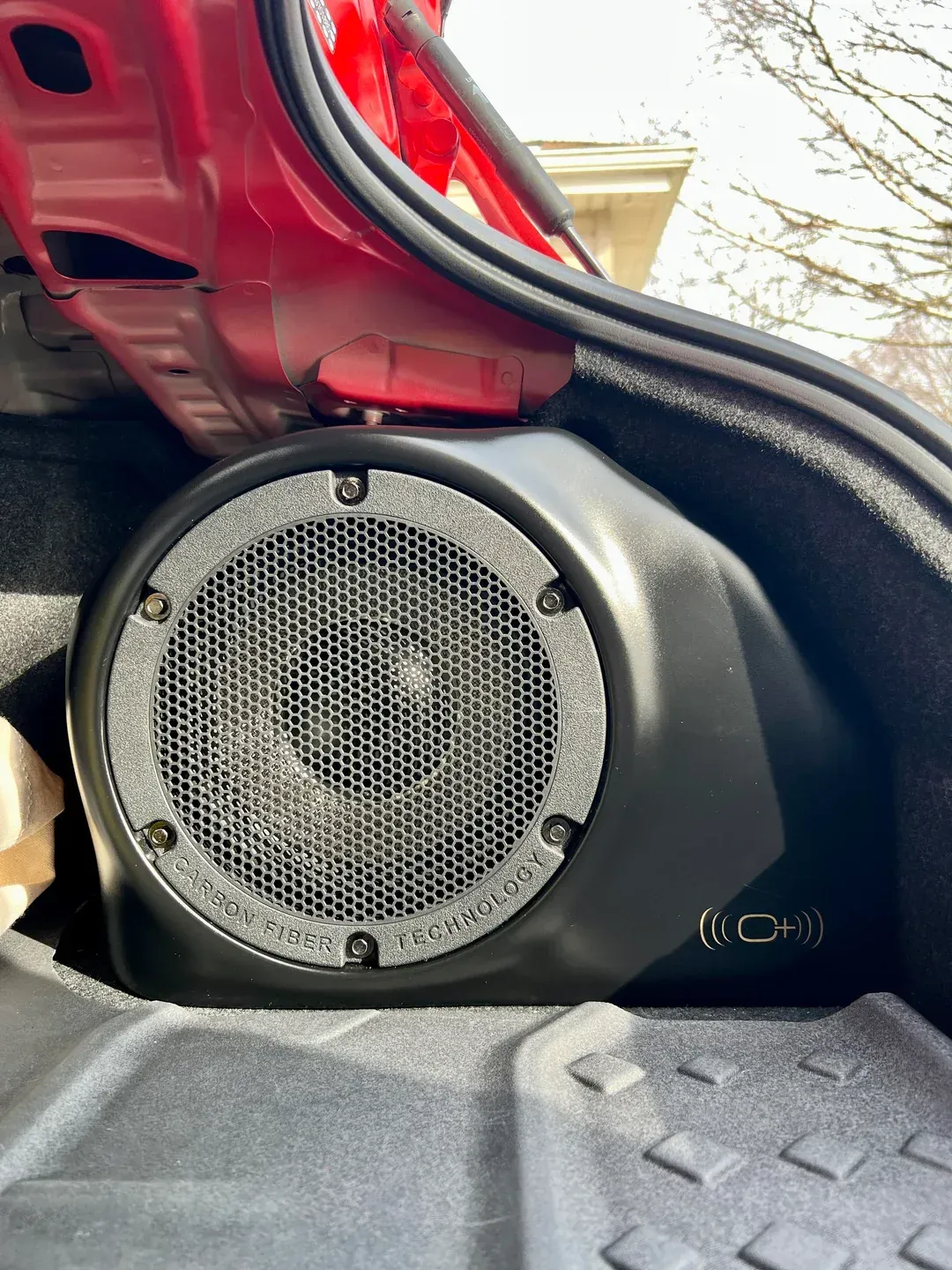
Subwoofer Additions to Stock Systems
Low bass is the first thing factory systems sacrifice. Powered subwoofers or custom enclosures tie into the original radio through a converter, adding depth beneath the music without changing the interior's appearance or taking over valuable cargo space.
Premium Factory System Upgrades
Branded factory packages often use unusual speaker impedances and multichannel amplifiers that complicate upgrades. These systems receive matched components and integration processors that respect their design, unlocking clarity and output the original package was never tuned to deliver.
Why Choose Us for OEM Audio Upgrades
Factory System Mapped First
Guessing at a factory layout leads to blown fuses and missing channels. Each system is identified and tested before parts are chosen, so we know which wires carry full-range signals, which are filtered, and where processing happens upstream.
Your Dashboard Stays Original
Some drivers love their factory screen and simply want it to sound better. Every component integrates behind the scenes, keeping the original infotainment, menus, and finishes in place, so the cabin looks unchanged even though the sound has transformed.
Reversible Plug-In Connections
Leased and newer vehicles deserve audio upgrades that can be undone cleanly. Plug-in adapters and harnesses connect most components without cutting factory wiring, making it simple to return the vehicle to stock condition at lease turn-in or trade time.
Measured Tuning, Not Guesswork
Factory systems hide their quirks until measured. Real-time analyzers and test tracks reveal peaks, dips, and timing problems inside your cabin, and corrections are made from that data so the final sound stays smooth at every volume level.
Upgrades Scaled Sensibly
A speaker swap may be all some vehicles need, while others benefit from processing first. Recommendations follow what your system actually requires, so you invest in the changes that create audible results instead of parts that make little difference.
Safety Tones Kept Audible
Turn signal clicks, seat belt reminders, and collision alerts often travel through the factory audio channels. Those tones are verified one by one after every upgrade, ensuring important warnings remain clear and noticeable even when music is playing at higher volumes.
Make the System You Already Own Sound the Way It Should
Your factory screen and controls may suit you perfectly, even if the audio they deliver falls short of what you hoped. Jam Sounds upgrades OEM audio so your vehicle keeps its original look and features while finally delivering clarity, depth, and volume worth hearing on every drive through Detroit, MI. Listen closely to the songs you know best, note where the sound breaks down, and decide whether you want subtle refinement or a full transformation. When you are ready to talk it through, share your vehicle details on our quote form, and every plan we draft will respect the factory design you chose.
Frequently Asked Questions
Will an audio upgrade change how my dashboard looks?
No, OEM upgrades work behind panels and under seats, leaving your factory screen, knobs, and steering wheel controls exactly where they are. The only visible change might be upgraded grilles or tweeters, and those are optional, depending on the components you select.
What is a line output converter?
A line output converter turns the high-level speaker signal from a factory radio into the low-level signal aftermarket amplifiers expect. Better converters also detect and correct factory equalization, giving amplifiers a cleaner, flatter signal to work with from the start.
What does a digital signal processor do for a factory system?
A digital signal processor corrects factory equalization, adjusts timing between speakers, and sets precise crossovers for each channel. That combination turns a muddy factory sound into a focused stereo image, even when the original radio stays in place.
Why does my factory system sound worse at high volume?
Factory radios often reduce bass at higher volumes to protect inexpensive speakers, and their small amplifiers begin clipping early. That combination makes music sound thin and harsh as you turn it up, which proper amplification and correction resolve.
Will my warning chimes and parking sensor alerts still work?
Yes, as long as the system is integrated correctly. Many vehicles play chimes and sensor tones through the factory speakers, so upgrades keep those channels connected, and we confirm every alert sounds clearly before the vehicle leaves our bay.
Can a premium factory sound system be upgraded?
Yes, though premium systems need more care because of their amplifiers, speaker impedances, and built-in processing. Jam Sounds upgrades these packages for drivers in Detroit, MI using integration processors designed to work with the factory electronics instead of against them.
Will an audio upgrade affect active noise cancellation?
Vehicles with active noise cancellation use microphones and the factory speakers to reduce cabin drone. Upgrades are planned carefully so that system keeps working properly, because disconnecting it can cause booming noises or warning messages on some newer models.
Can I add a subwoofer while keeping my factory radio?
Yes, a converter or integration processor feeds the factory signal to an amplified subwoofer, adding real low end without touching the dash. Jam Sounds installs compact and custom subwoofers for drivers in Detroit, MI who want deeper bass in stock-looking cabins.