
Dash Cam Systems in Detroit, MI
A Reliable Witness Riding Along on Every Trip
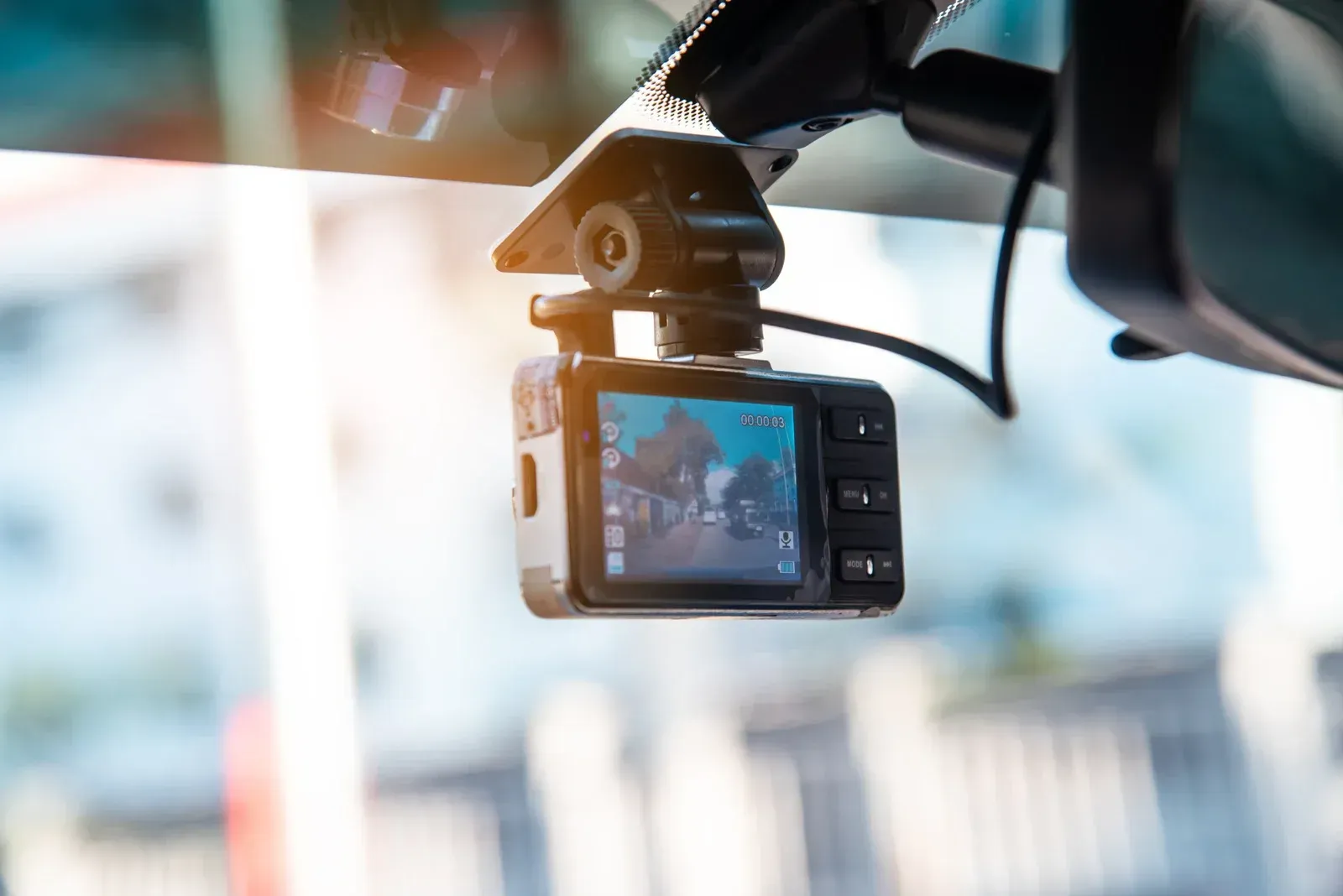
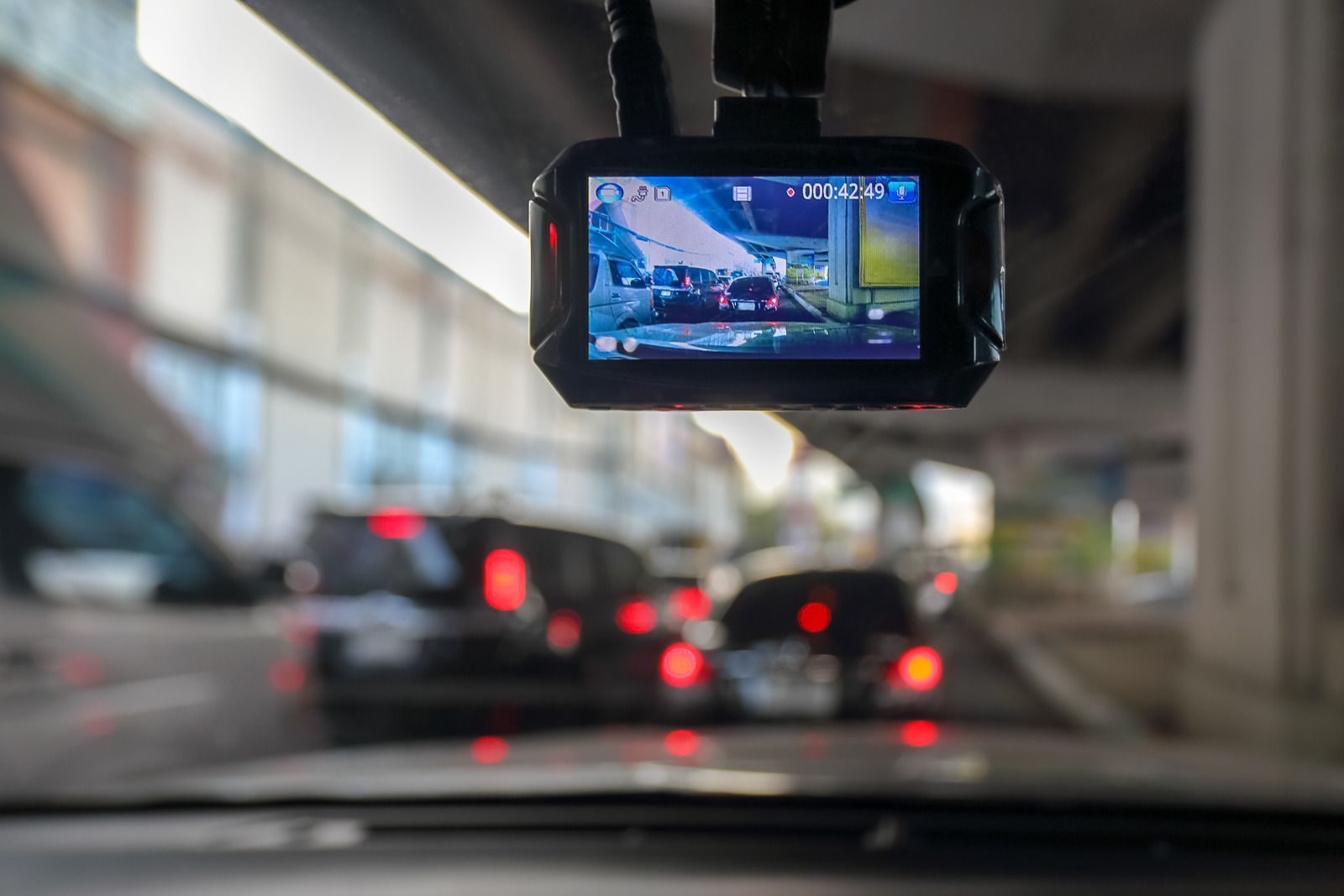
Michigan's vehicle code bars objects that obstruct a driver's view through the windshield, so mounting position deserves as much thought as the camera model itself. Jam Sounds installs dash cam systems that mount discreetly behind the rearview mirror and record what happens around your vehicle in Detroit, MI and across nearby Dearborn Heights, Eastpointe, and Highland Park. Our dash cam installation work includes front cameras, rear and cabin views, hardwired parking modes, and cloud-connected units.
Cameras only help when they are powered properly and recording when something happens. Our installers hardwire each system into a protected fuse circuit, hide every cable behind trim and headliner panels, and set the camera angle so plates and lane markings stay readable. With 30+ years of hands-on vehicle electronics work behind us, we keep installs tidy and dependable. Tell us how you drive and park using our contact page, and our recommendation will follow your answers.
Our Dash Cam Systems Services
Front-Facing Dash Cam Installation
The forward view captures most collisions, so camera placement gets careful attention. Units mount high on the glass, tucked behind the mirror, aimed to frame the road and traffic signals while staying clear of wiper sweep and tint bands.
Front and Rear Camera Systems
Being struck from behind is one of the most frequent crash types, and a forward-facing unit misses it entirely. Dual-channel systems add a rear-window camera routed through headliner and pillar trim, recording both directions to the same memory card for complete coverage.
Cabin-Facing Cameras
Rideshare drivers, delivery workers, and parents of new drivers often want a clear view inside the vehicle. Interior cameras with infrared night vision record the cabin clearly after dark without adding visible lights that might distract the driver or passengers.
Hardwired Parking Mode
Many incidents happen while nobody is in the car. Hardwire kits with adjustable low-voltage cutoffs keep the camera watching while parked, triggering recordings on impact or motion, then shutting down before the battery drops too low to start.
Cloud-Connected Dash Cams
LTE-equipped cameras send impact alerts and live views to your phone wherever the vehicle sits. We set up the hardware, app, and notifications, making these systems a strong choice for fleet owners, teen drivers, and anyone parking on busy streets.
Memory Card and Firmware Setup
Cheap memory cards fail quickly under constant rewriting. High-endurance cards rated for continuous recording are formatted inside the camera, firmware is updated, and resolution, time stamps, and event sensitivity are configured before you drive away with the system running.
Why Choose Us for Dash Cam Systems
Wiring You Will Never See
Cables dangling across the windshield distract and look unfinished. Power and rear camera leads are tucked behind headliners, pillar trim, and door seals, keeping airbag deployment paths clear while leaving the cabin looking exactly as it did before the install.
Footage Framed for What Matters
A camera aimed too high records sky, while one aimed too low catches only the hood. Angles are adjusted and checked with test clips, so license plates, intersections, and lane positions appear clearly when you need that footage most.
Power That Protects Your Battery
Parking surveillance should never leave you stranded on a cold morning. Voltage cutoffs are set to suit your battery size and driving habits, balancing longer recording time against reliable starts during freezing weather, heavy accessory use, and shorter winter commutes.
Cameras Chosen for Real Conditions
Extreme cabin heat in summer and deep cold in winter both punish onboard electronics. Our recommendations focus on units with supercapacitors, wide dynamic range sensors, and strong low-light performance that keep recording reliably through temperature swings, glare, and dim streetlights.
Setup Explained Step by Step
Footage helps only if you can find and save it quickly. Before handing back the keys, we show you how to download clips, lock important files, adjust settings in the app, and check that the camera is recording correctly.
Recommendations Sized to Your Needs
A daily commuter and a delivery driver need very different camera coverage. Camera count, storage, connectivity, and parking features are matched to how you actually use and park the vehicle, so you avoid paying for capabilities you will never touch.
Drive With Proof on Your Side
When something happens on the road, memory fades and accounts conflict, but clear footage tells the story plainly. Jam Sounds installs dash cams that sit quietly out of sight, record reliably in every season, and give drivers throughout Detroit, MI a dependable record of each trip and every parking stop. Consider how often your vehicle sits parked on the street overnight, whether others such as teen drivers or coworkers drive it, and which angles you would want covered most. Once you have a picture of your priorities, our quote form takes a minute, and the camera system we suggest will be built around your routine.
Frequently Asked Questions
Is it legal to mount a dash cam on my windshield in Michigan?
Michigan law prohibits objects that obstruct the driver's view, which is why most installers mount cameras behind the rearview mirror. Placing a compact camera there keeps your sightlines clear while still giving the lens an unobstructed view of the road ahead.
What is parking mode, and will it drain my battery?
Parking mode keeps the camera recording impacts or motion while the vehicle is off. A hardwire kit with a low-voltage cutoff shuts the camera down before the battery voltage falls too low, protecting your ability to start the engine afterward.
Should I get a front-only or a front-and-rear dash cam?
Front-only cameras cover forward collisions, but rear impacts and parking-lot bumps go unrecorded. Most drivers that Jam Sounds works with in Detroit, MI choose a dual-channel system because heavy traffic makes rear-end incidents a common concern on daily commutes.
What resolution does a dash cam need to capture license plates?
Higher resolution helps, but distance, speed, night lighting, and lens quality matter just as much. Cameras recording at 2K or higher with good low-light sensors give the best chance of readable plates, especially for vehicles stopped nearby or crossing slowly.
How does loop recording work on a dash cam?
Loop recording saves footage in short segments and overwrites the oldest files once the card fills. When the impact sensor detects a collision, the camera locks that clip automatically, protecting it from being erased by later recordings until you save it.
Why do some dash cams use supercapacitors instead of batteries?
Supercapacitors tolerate extreme heat and cold far better than lithium batteries, which can swell inside a sun-baked car. Jam Sounds recommends supercapacitor models to drivers in Detroit, MI because summer cabins and winter freezes put heavy stress on onboard power cells.
Can I view dash cam footage on my phone?
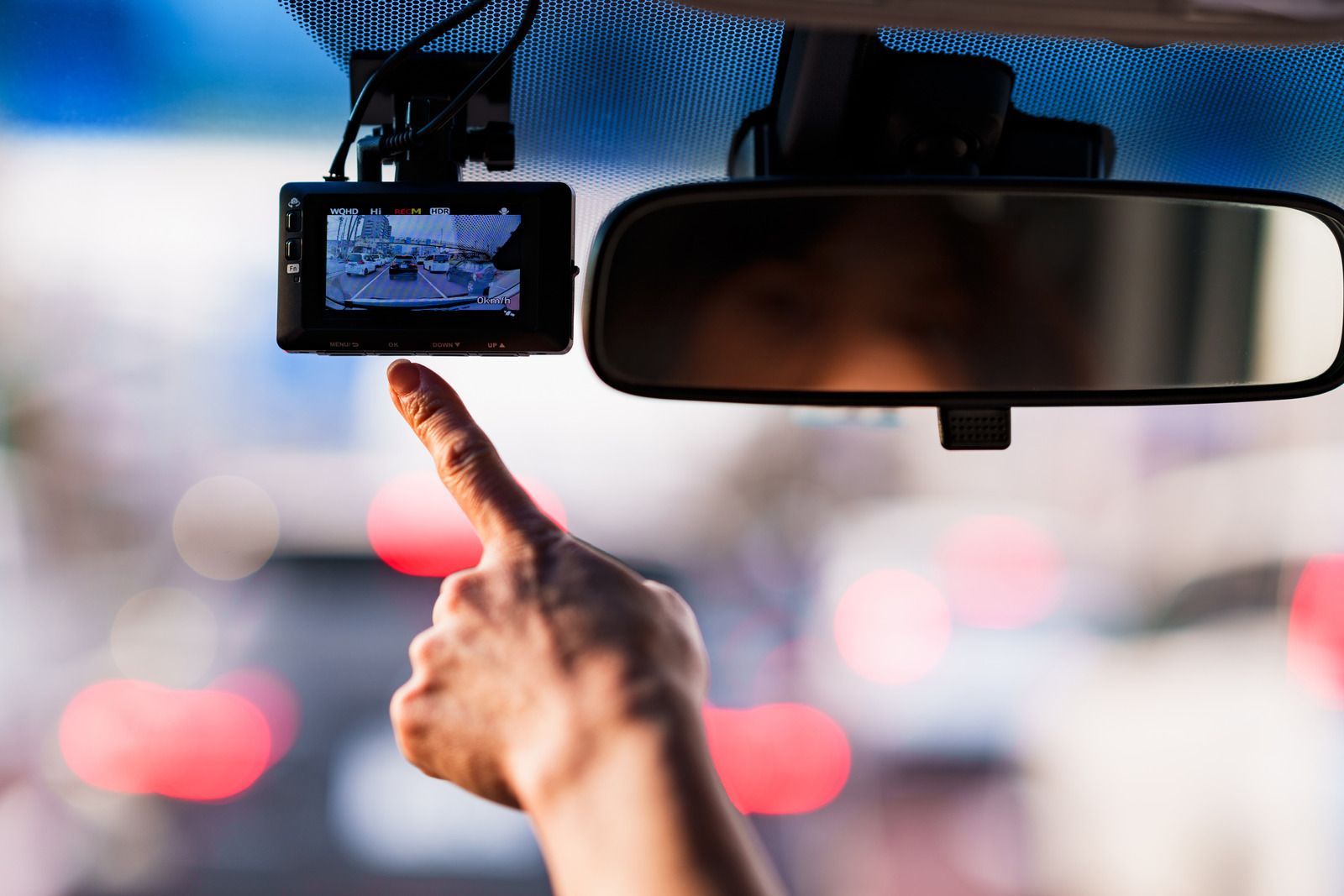
Yes, many cameras connect to a phone app over Wi-Fi, letting you review, download, and share clips without removing the memory card. Cloud-connected models go further, sending alerts and live views remotely whenever the vehicle detects an impact.
Do dash cams record audio inside the vehicle?
Most dash cams can record audio, and the feature can usually be switched off in settings. Rideshare and delivery drivers often keep audio on for added documentation, and many choose to post a notice so passengers know recording is active.