
Backup Camera Installation in Detroit, MI
See Every Curb, Bumper, and Bike Before You Reverse
Federal rules have required rear visibility systems on new passenger vehicles under 10,000 pounds since May 2018, showing a zone 10 feet wide and 20 feet long behind the bumper. Vehicles built before then often have nothing but mirrors and guesswork. Jam Sounds handles backup camera installation for cars, trucks, vans, and SUVs throughout Detroit, MI, Allen Park, Roseville, and Madison Heights, adding cameras, screens, and wiring that make tight driveways and crowded lots far less stressful.
Our installers choose mounting points that suit your vehicle's body style, route video cables through protected interior paths, and connect reverse triggers so the image appears the instant you shift. Each camera is aimed, focused, and checked against real obstacles before we finish. Drawing on 30+ years in the installation bay, we make aftermarket cameras behave like factory equipment. Reach out on our contact page, include your vehicle details, and we will explain which camera and display setup suits it.
Our Backup Camera Services
Backup Cameras for Older Vehicles
Models built before rear cameras became standard can still gain a clear view behind them. Complete kits add the camera, display, and wiring, giving older cars and trucks the same reversing confidence drivers expect from newer vehicles on the lot.
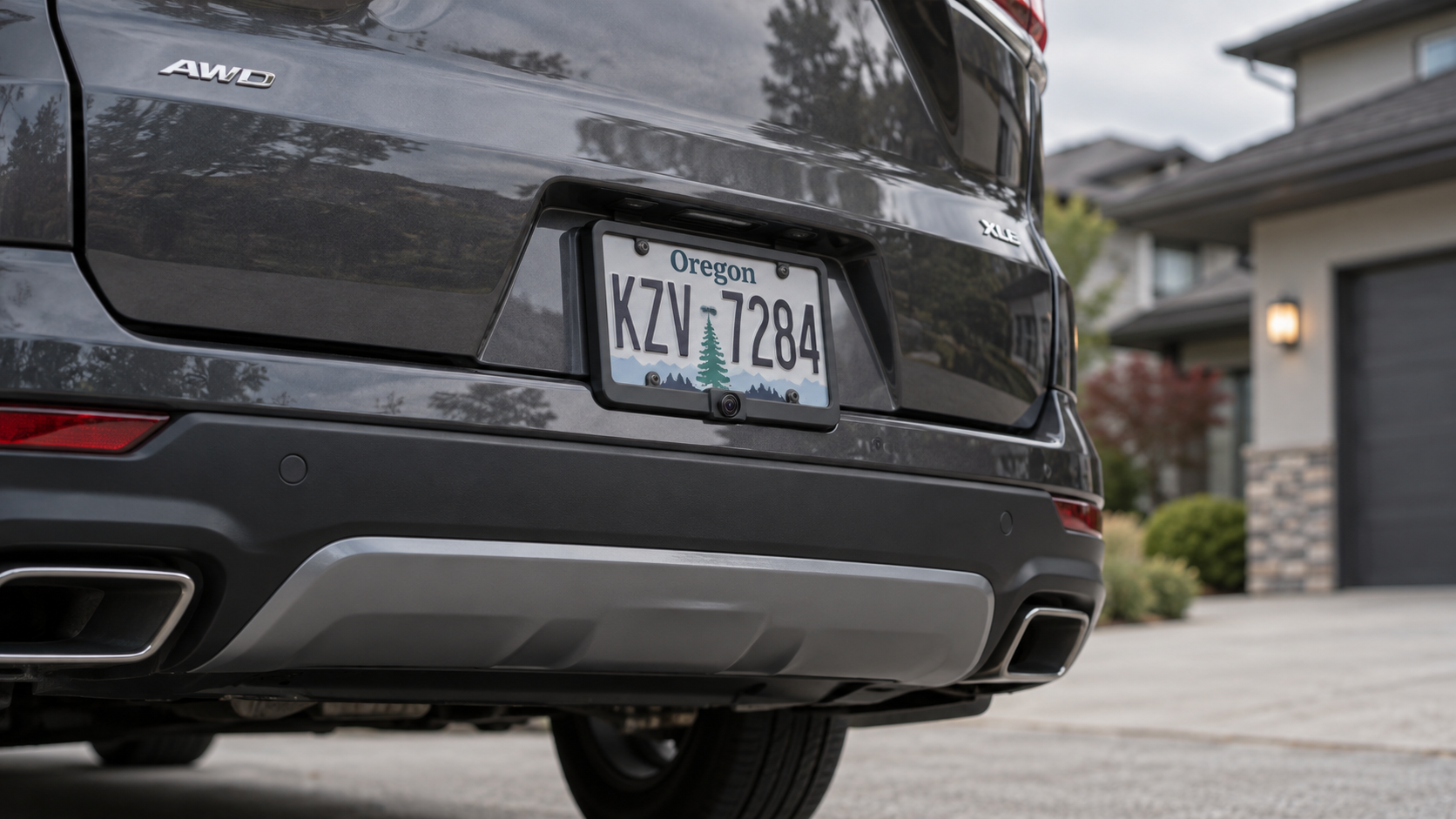
License Plate and Tailgate Cameras
Plate frame, plate light, and tailgate handle cameras sit low and centered, the ideal height for spotting curbs, posts, and small children. Each style is chosen to fit your vehicle's bodywork, so the camera looks integrated rather than added later.
Factory Screen Camera Integration
A factory display without a camera input is a missed opportunity. Video interface modules let many original screens show a backup camera image automatically in reverse, keeping your dashboard unchanged while adding the safety feature it was missing.
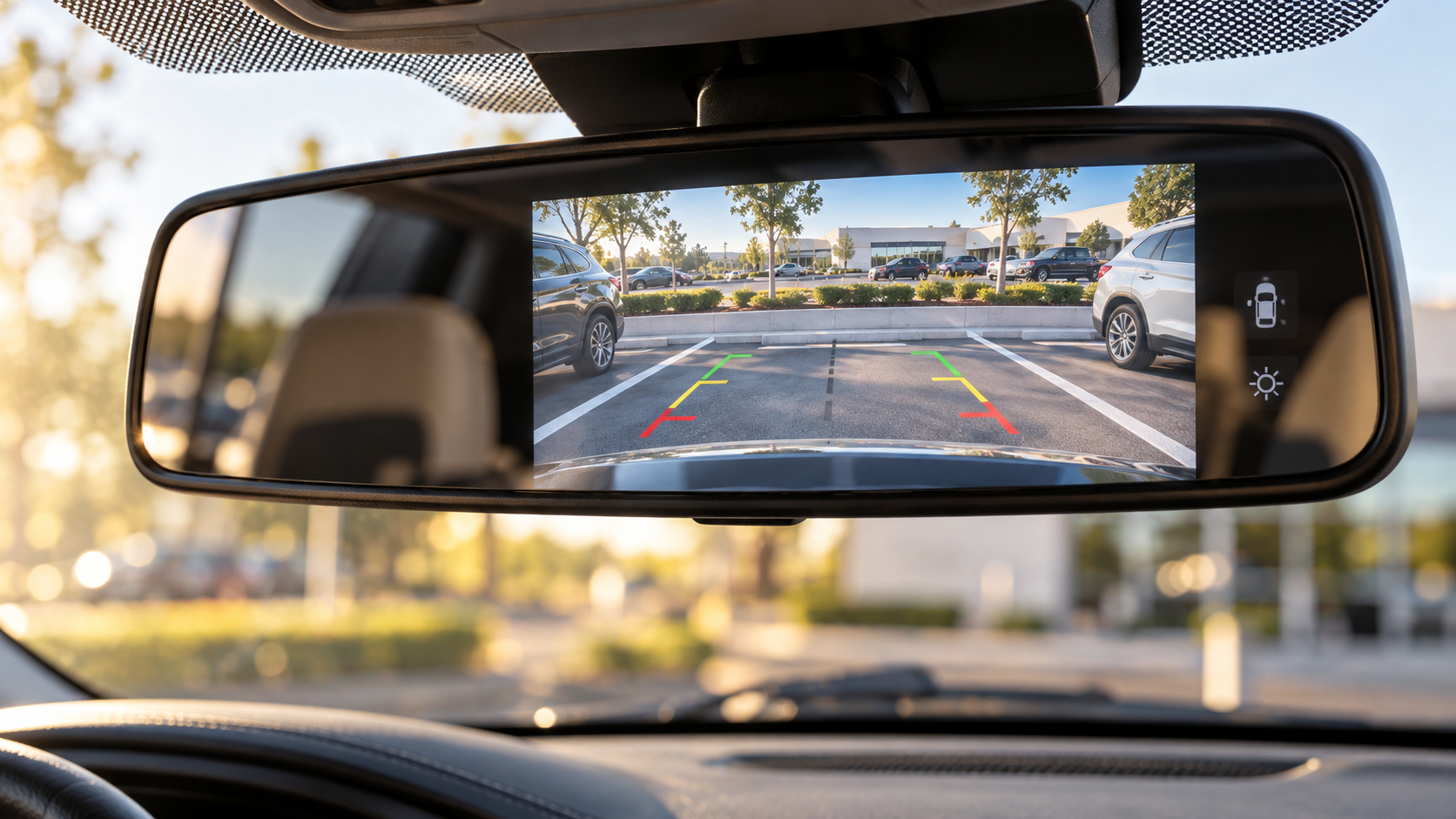
Rearview Mirror Monitors
Vehicles without a dash screen can display the camera through a replacement mirror with a built-in monitor. The image appears in reverse and disappears when you shift forward, leaving a normal mirror for everyday driving and no extra screen to mount.
Trailer and Hitch Cameras
Lining up a hitch alone usually means climbing in and out repeatedly. Cameras positioned to show the ball and coupler, or mounted on a trailer for full rear coverage, make hookups and lane changes easier for towing households and work crews.
Camera Replacement and Repair
Factory cameras fail from water intrusion, cracked lenses, and corroded connectors. We diagnose blank or flickering screens, replace damaged cameras, and repair wiring faults, restoring a reliable picture without paying for a complete new head unit you may not need.
Why Choose Us for Backup Cameras
Mounting Height Chosen Carefully
A camera set too high misses low obstacles, while one set too low fills with road spray. Placement is planned around your bumper, plate area, and tailgate design, giving the clearest view of what actually sits behind the vehicle.
Sealed Connections at the Rear
Rear wiring faces slush, salt, and car-wash pressure year after year. Every exterior connection is sealed with weatherproof connectors and heat-shrink protection, preventing the corrosion that causes flickering images and dead cameras after just a few hard winters.
Guidelines Calibrated to Your Vehicle
Parking lines only help when they match the vehicle's actual width and distance. Guidelines are adjusted during setup so the colored markers on screen line up accurately with real bumpers, curbs, painted lines, and the parking space around you.
Instant Reverse Activation
A camera that takes several seconds to appear defeats its purpose in a busy lot. Reverse triggers are wired directly, and display settings are configured so the image appears quickly every time you shift into reverse, day or night.
Factory Appearance Preserved
Drilled holes and visible cables can lower resale value and invite leaks. Cables pass through existing grommets and trim channels whenever possible, and cameras mount in places that look intentional, keeping the exterior and cabin looking clean and original.
Night Performance Tested
Rear lighting varies widely between vehicles, and some reverse lamps throw little useful light. Low-light image quality is checked after installation, and cameras with better sensors are recommended for vehicles that back out of dark garages or unlit driveways.
Back Out of Tight Spaces With Real Confidence
Reversing should not feel like a gamble every time you leave a driveway or parking spot. Jam Sounds adds backup cameras that show you exactly what sits behind your bumper, helping drivers across Detroit, MI handle narrow alleys, school pickup lines, and packed lots with much less worry and guesswork. Think about where you park most, whether you tow, and which display style would feel natural, whether that means a new screen, a mirror monitor, or your factory display. After that, a short description on our quote form gives us what we need to recommend a camera that suits your driving habits.
Frequently Asked Questions
Can a backup camera be added to an older vehicle?
Yes, almost any vehicle can receive a backup camera, regardless of age. The setup usually combines a rear camera with a replacement receiver, a monitor built into the mirror, or an interface for the factory screen, depending on what your dashboard already includes.
Where is the best place to mount a backup camera?
The best position is centered and low, usually at the license plate, tailgate handle, or rear trim panel. Third brake light cameras suit vans and pickups that need a higher view for checking cargo beds or long distances.
Can a new backup camera display on my factory screen?
Often, yes, through a video interface module designed for your vehicle. Jam Sounds checks compatibility for drivers in Detroit, MI before ordering, because some factory displays accept camera input easily while others require a receiver upgrade to show the image.
Are wireless backup cameras as reliable as wired ones?
Wired cameras deliver a steadier picture because they avoid signal interference and lag. Wireless versions can work for trailers or long vehicles where running cable is impractical, but digital wireless models perform much better than older analog designs.
What do the parking guidelines on a backup camera mean?
The colored lines show distance zones and the vehicle's path, with red typically marking the closest area. Static guidelines stay fixed, while dynamic guidelines curve with your steering input, predicting where the vehicle will travel as you back up.
How well do backup cameras work at night?
Quality cameras with sensitive sensors produce usable images using only your reverse lights. Some models add infrared or white LEDs for extra illumination, which helps when backing out of dark driveways, alleys, or unlit parking spaces late in the evening.
Can I add a camera to see my trailer hitch?
Yes, a hitch camera aimed at the ball and coupler makes hookups much faster without a spotter. Jam Sounds installs hitch and trailer cameras for towing households across Detroit, MI, choosing angles that keep the coupler centered on screen.
How do I keep my backup camera clear during winter?
Road salt, slush, and grime build up quickly on rear lenses during winter driving. Wiping the lens with a soft cloth regularly helps, and cameras positioned under a plate light or overhang stay cleaner than fully exposed units.