
Car Window Tinting in Detroit, MI
Cooler Cabins, Less Glare, and Skin Protection Behind Every Window
Side and rear car windows are usually tempered glass, which does little to stop UVA rays, while quality window film can block more than 99% of UVA and UVB light. Jam Sounds provides car window tinting for drivers in Detroit, MI, Grosse Pointe Woods, Inkster, and Westland, applying ceramic and carbon films that reduce heat, glare, and fading. Each install follows Michigan's tint rules, which keep film off front side windows except for a narrow strip along the top.
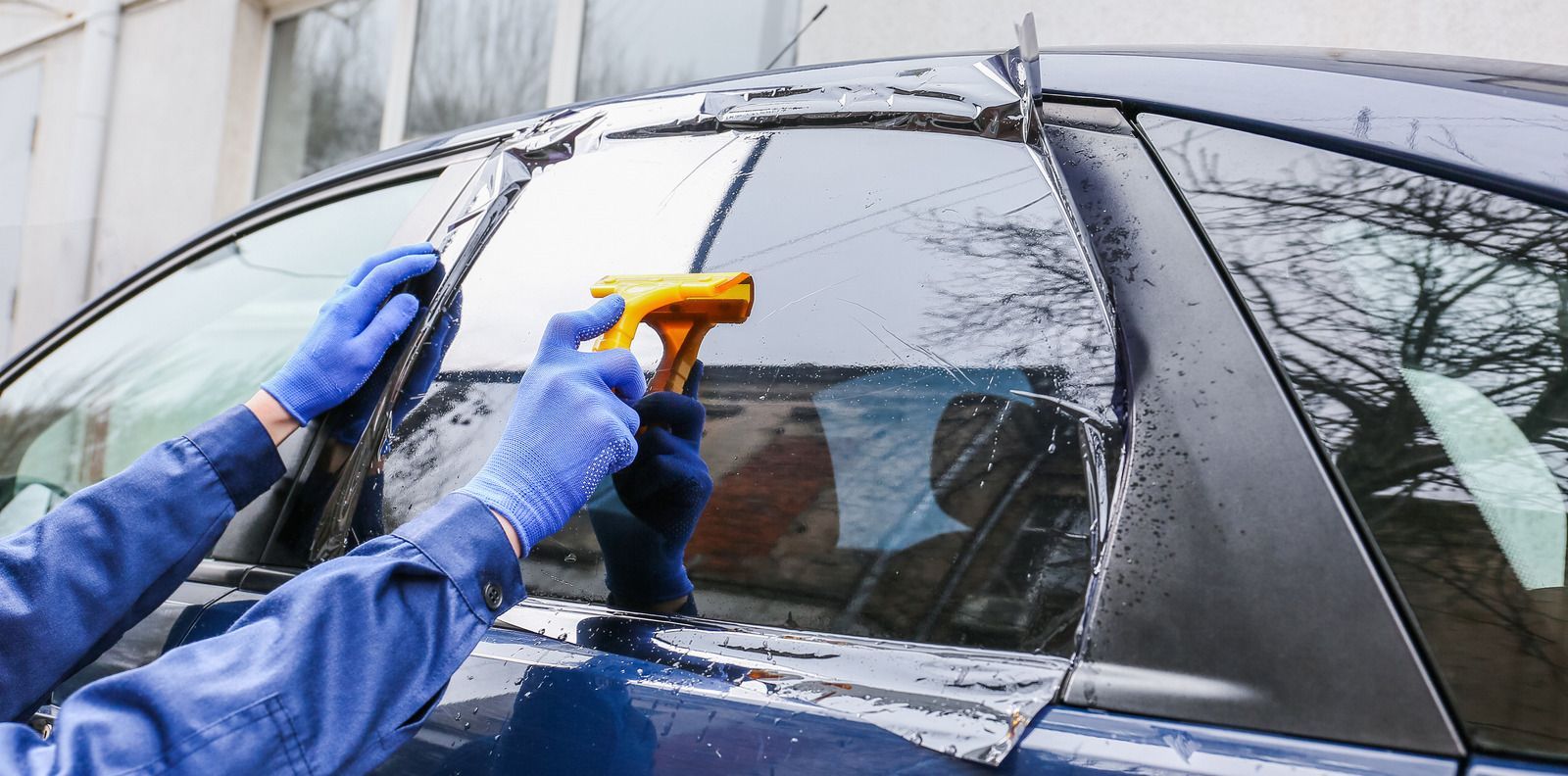
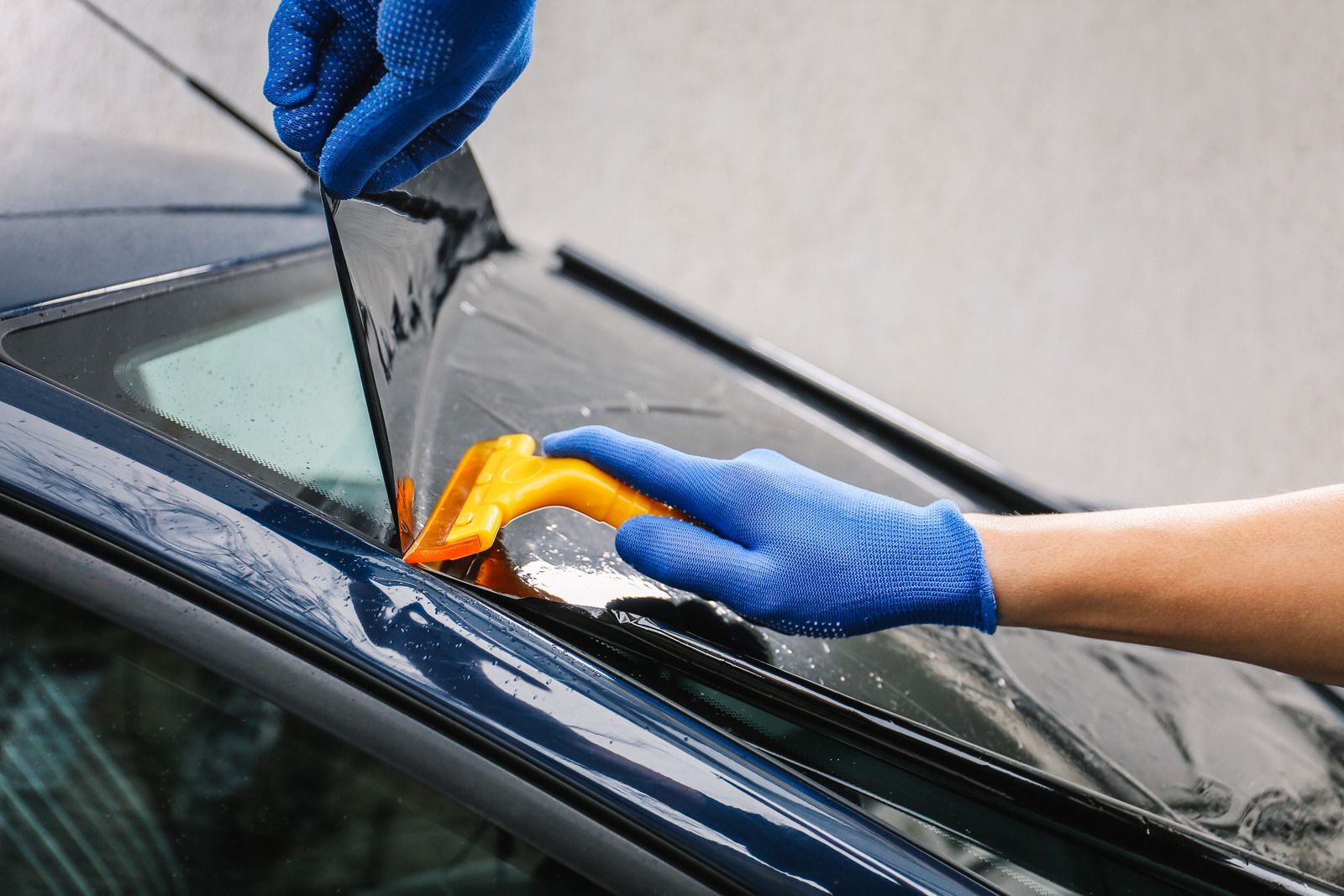
We prep glass carefully, cut patterns to each window, and heat-shrink film on curved rear glass so it lies flat without seams or lifting edges. Before anything goes on, we explain which windows can legally carry darker shades and which film suits your priorities, whether privacy, heat rejection, or a cleaner look. Our 30+ years serving vehicle owners have taught us that patient prep work decides how long tint lasts. Request a quote for your vehicle through our contact page.
Our Car Tinting Services
Rear and Rear Side Window Tinting
Back windows can carry darker film under state rules when the vehicle has outside mirrors on both sides. We tint rear doors, quarter glass, and back glass in matching shades, adding privacy for passengers and cargo while keeping the cabin noticeably cooler.
Windshield Sun Strips
A tinted band across the top of the windshield cuts low sun glare during morning and evening drives. Strips stay within the legal four-inch limit or above the manufacturer's shade line, giving relief from glare without blocking your view of traffic.
Ceramic Window Film
Ceramic films use nonmetallic particles to reject significant solar heat without interfering with phone signals, GPS, or keyless entry. They offer strong clarity and heat control, making them a popular choice for drivers who spend hours behind the wheel.
Carbon Window Film
Carbon films deliver a deep matte finish that resists fading over time and blocks a good share of infrared heat. They provide an attractive balance of appearance, durability, and comfort for drivers who want an upgrade from basic dyed film.
Old Tint Removal
Purple, bubbling, or peeling film makes any vehicle look neglected and can hurt visibility. Removal uses steam and careful scraping techniques that lift old film and adhesive without damaging glass or the delicate defroster lines on rear windows.
Medical Exemption Tint Installation
Drivers with light sensitivity may qualify for additional tint under state law with a signed letter from a physician or optometrist. We install film for these exemptions once you have the documentation and keep the result clear enough for safe driving.
Why Choose Us for Car Tinting
Legal Guidance Before Installation
A ticket can undo the value of new film quickly. Expect clear guidance on where film can go, how dark rear glass can be, and which reflective finishes to avoid, so you choose confidently and stay legal on the road.
Glass Prepped Spotless
Dust, lint, and old residue trapped under film show up as permanent specks. Every window is cleaned, scraped, and checked under bright light before application, so the finished tint looks smooth and clear from inside the cabin and out.
Precise Patterns for Every Window
Film that falls short of the edges leaves light gaps, while film that overlaps seals peels early. Patterns are trimmed precisely to each window's shape, giving tight edges that look factory and hold up to daily window operation for years.
Heat-Formed Rear Glass
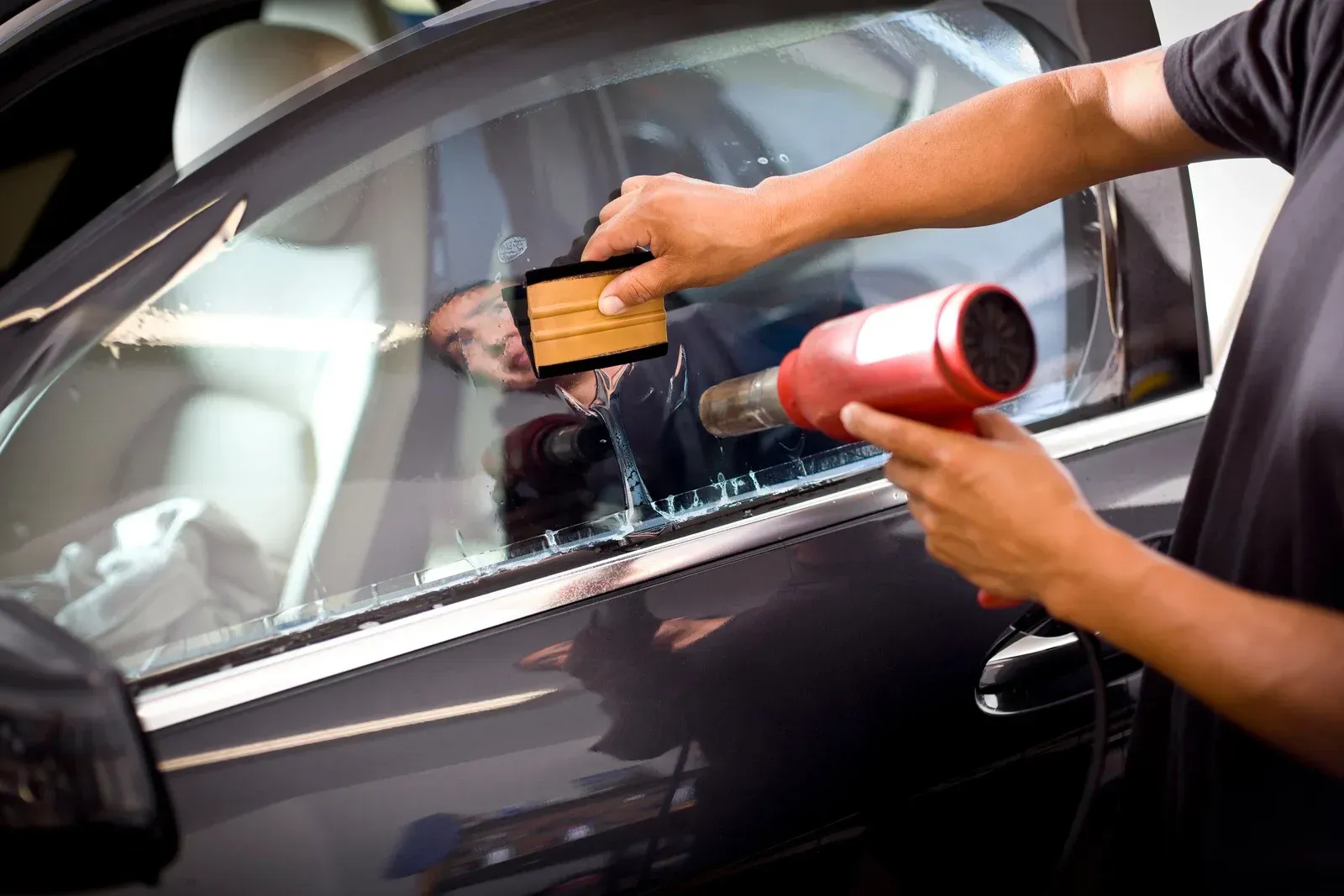
Curved back windows require shrinking film to match the compound glass shape. Using heat and patience, we form one continuous piece across the rear window, avoiding strips and seams that look cheap, collect dirt, and catch the light awkwardly.
Film Matched to Your Goals
Privacy, heat rejection, and appearance each point to different film choices. Your daily driving, parking situation, and comfort priorities guide the recommendation, so you end up with film that solves the problems that actually bother you on the road.
Aftercare Explained Clearly
New tint needs a few days to cure properly before it reaches full clarity. Before you leave, we explain how long to keep windows up, what haziness to expect, and how to clean film safely, so your investment looks right for years.
Comfort You Can Feel the Moment You Close the Door
A cabin that stays cooler, calmer, and more private makes every drive more pleasant, from summer traffic to bright winter mornings with sun reflecting off snow. Jam Sounds applies window film that protects your skin and interior while staying within Michigan's rules, giving drivers throughout Detroit, MI the comfort they want without the hassle of a ticket. Think about what bothers you most behind the wheel, whether heat, glare, or curious eyes looking in, and which windows you want covered. Once you know your priorities, ask for a tint quote on our quote form, and you will hear back with a film matched to your vehicle.
Frequently Asked Questions
How dark can I legally tint my windows in Michigan?
Michigan allows film only on the top four inches of the windshield and front side windows. Rear side and back windows can carry any darkness when the vehicle has outside mirrors on both sides, and film reflecting 35% or more is prohibited.
Does Michigan offer a medical exemption for window tint?
Yes, Michigan allows additional window treatment for light-sensitive or photosensitive drivers who carry a letter signed by a physician or optometrist stating it is medically necessary. The treatment still cannot obstruct the driver's clear view of the road.
What is the difference between ceramic, carbon, and dyed film?
Dyed film darkens glass inexpensively but fades and rejects less heat. Carbon film adds durability and better heat control, while ceramic film rejects the most heat with excellent clarity and no interference with electronics, making it the premium option for daily comfort.
How long should I wait before rolling down my windows after tinting?
Most film needs about three to five days before windows can be lowered safely, and cold weather can extend that time. Jam Sounds advises drivers in Detroit, MI to wait longer during winter months, when curing slows down noticeably.
Why does new tint look hazy or have small bubbles?
Light haze and tiny water pockets are normal during curing, as moisture trapped during installation slowly evaporates through the film. These usually disappear within a few days to a few weeks, depending on temperature, sunlight, and the type of film installed.
Can old purple or bubbling tint be removed?
Yes, faded or bubbling film can be removed along with its adhesive, preparing the glass for a fresh install. Removal takes care on rear windows, because aggressive scraping can damage the defroster lines that keep the glass clear in winter.
Will window tint interfere with my rear defroster?
No, properly installed film sits over the defroster lines without affecting how they heat the glass. Damage usually happens only during careless removal of old film or when sharp tools scrape the lines, which experienced installers avoid entirely.
How should I clean tinted windows?
Use an ammonia-free cleaner with a soft microfiber cloth, since ammonia can break down film over time. Jam Sounds reminds drivers across Detroit, MI to avoid scraping tinted windows when clearing frost and to use the defroster instead whenever possible.