
Car Audio Installation in Detroit, MI
Sound That Fills the Cabin, Not Just the Trunk
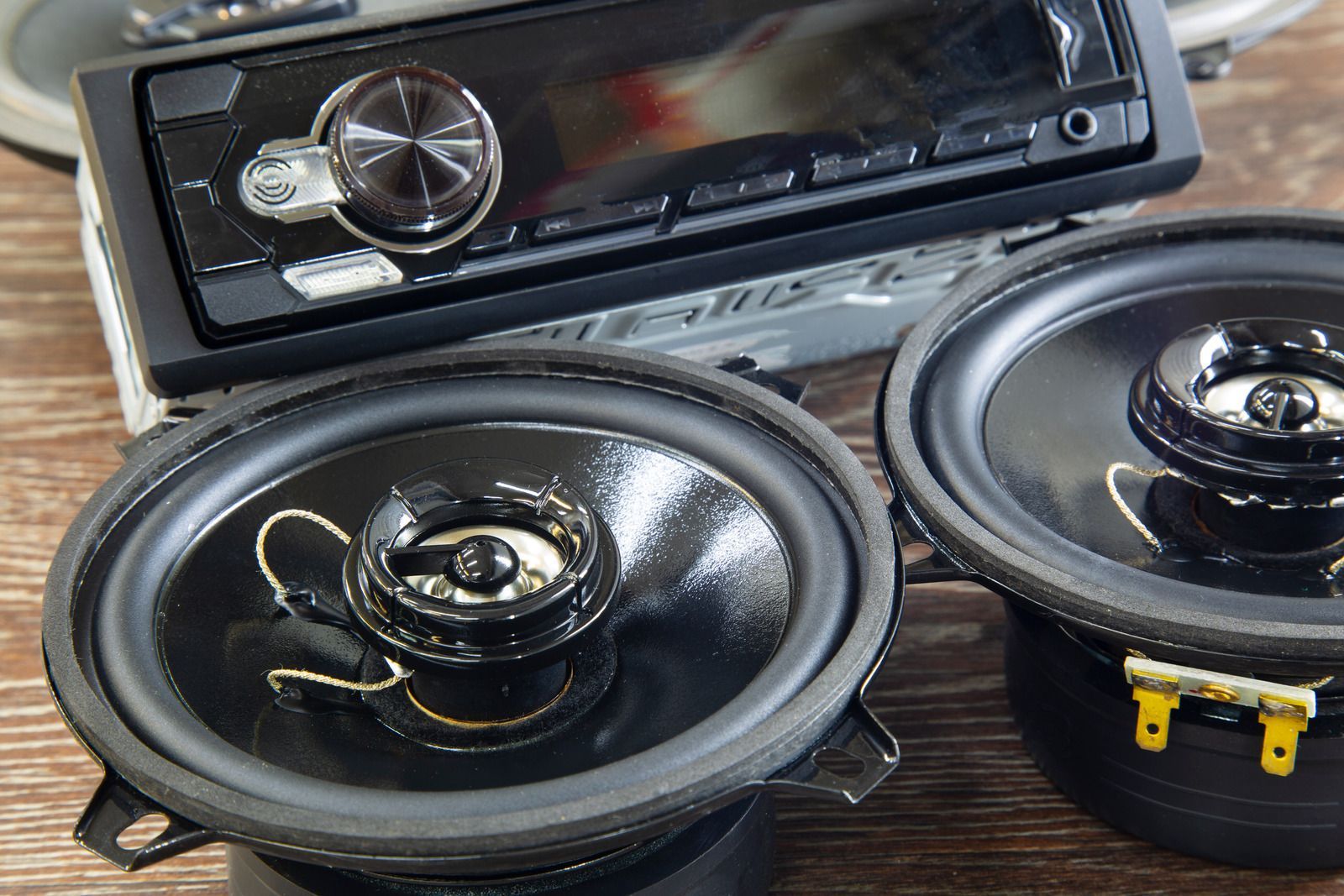
Most factory head units deliver roughly 15 to 20 watts RMS per channel, which is why bass thins out and vocals turn harsh once the volume climbs on I-94. At Jam Sounds, our car audio installation work covers speakers, amplifiers, subwoofers, custom enclosures, and signal processing built around how you actually listen. Drivers across Detroit, MI and the surrounding Wayne, Macomb, and Oakland County communities bring us everything from daily commuters to weekend show cars and work trucks.
We start every build by listening to your current system with you, then talking through the music you play and the space you can spare. From there we plan power, placement, and tuning as one connected job rather than a pile of parts. With 30+ years behind our installs, we know how each vehicle hides its wiring paths and mounting points. Visit our Detroit shop, or use the contact page to start planning your build.
Our Car Audio Services
Speaker Replacement and Upgrades
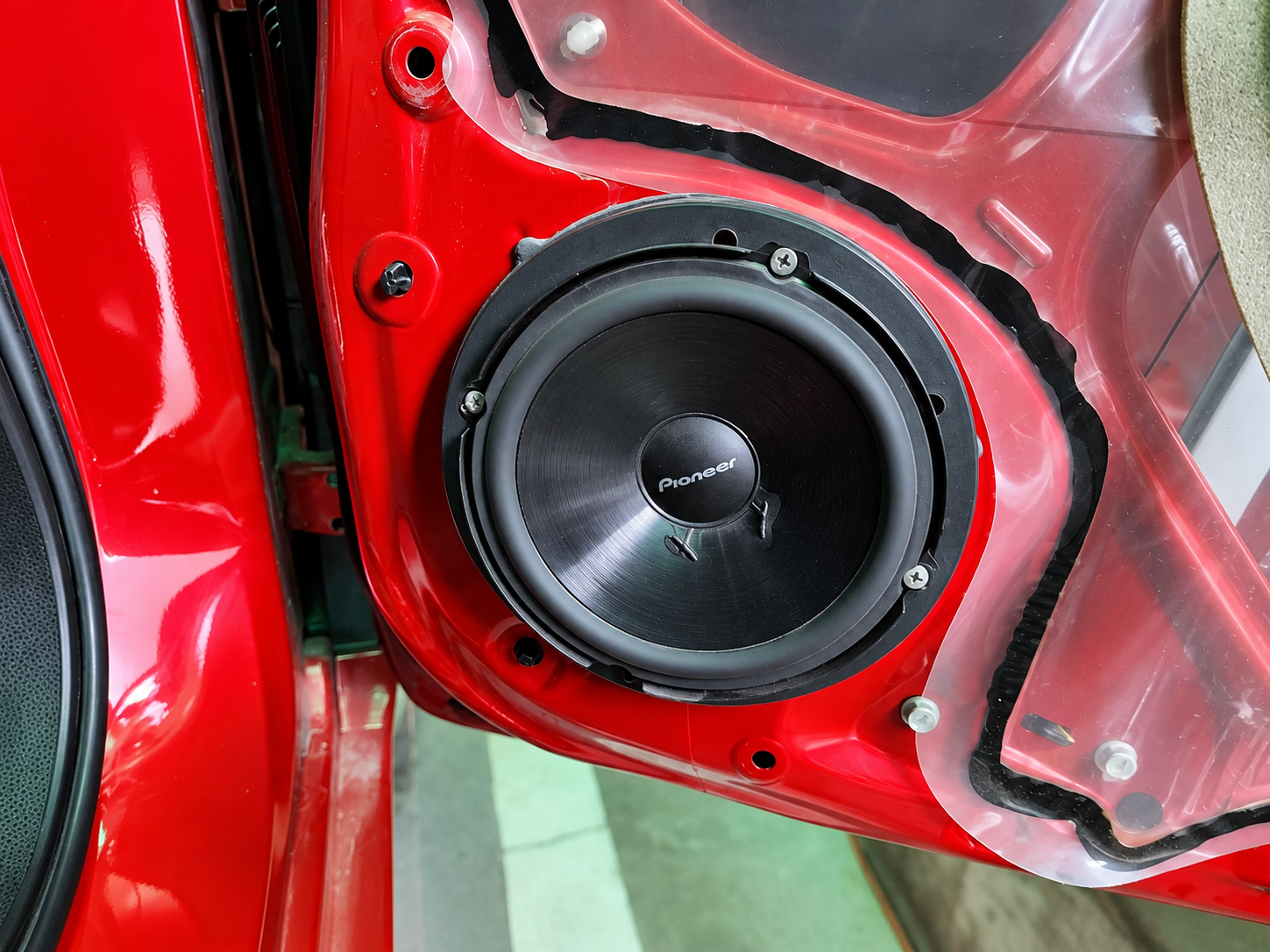
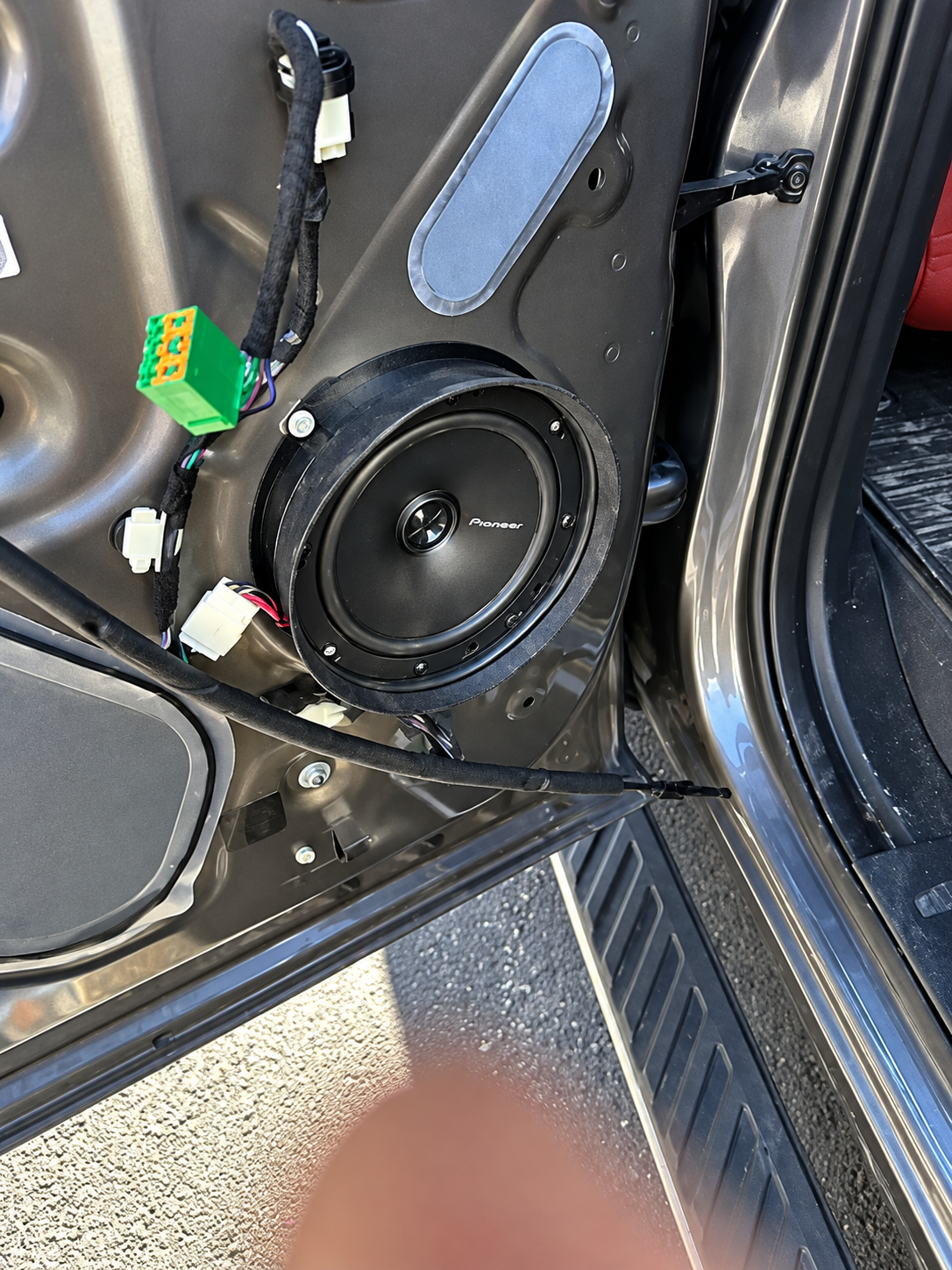
Stock paper cones come out, and component or coaxial speakers sized to your door and dash openings go in. We fit mounting adapters, seal each baffle against road noise, and set crossover points so tweeters and midranges blend instead of competing for attention.
Amplifier Installation
Clean power changes everything downstream. We mount amplifiers where they stay cool and hidden, run properly sized power and ground cables, fuse every line near the battery, and set gains with test tones so speakers play loud without clipping or overheating.
Subwoofer and Enclosure Builds
Low notes need the right box as much as the right driver. We build and fit sealed, ported, and bandpass enclosures sized to the subwoofer's specifications and your cargo space, from compact under-seat units to full trunk walls for serious output.
Head Unit Replacement
A new receiver brings better outputs, a cleaner signal, and modern features to an older dash. Using vehicle-specific dash kits and wiring harnesses, we keep the trim looking factory while adding preamp outputs, Bluetooth streaming, and expanded equalizer controls.
Digital Signal Processing and Tuning
Speakers sit at different distances from your ears, and that skews the stereo image. Through a digital signal processor, we apply time alignment, crossovers, and equalization measured with a microphone so the soundstage lands on the dashboard, right in front of you.
Sound Deadening
Thin door skins and bare floors let rattles and road roar swallow the music. Our crew applies damping mats, closed-cell foam, and sealing layers inside doors, trunks, and floors to quiet the cabin and tighten midbass response at every volume.
Why Choose Us for Car Audio
Systems Built Around Your Music
Hip-hop, rock, jazz, and country each push a system differently. Your playlist guides speaker choices, enclosure style, and tuning, so the finished setup flatters the songs you replay most rather than chasing a spec sheet that never matches your listening habits.
Power Wiring Sized for the Load
Undersized cables starve amplifiers and heat up under hard use. Every power run is calculated from total amperage and cable length, protected by correctly rated fuses, and grounded to bare chassis metal, giving your gear stable voltage through long sessions and cold starts.
Tuned From the Driver's Seat
A system that measures well can still sound wrong where you sit. Final adjustments happen from your seating position with your own music playing, so imaging, tonal balance, and bass level feel natural on a short errand or a long highway stretch.
Factory Features Kept Working
New gear should never cost you the conveniences you rely on. Steering wheel controls, backup camera feeds, warning chimes, and hands-free calling are retained through the correct interface modules, so the upgrade adds capability without stripping away features the dash already provided.
Upgrade Paths Planned Ahead
Not every system gets built in a single visit. Wiring, amplifier channels, and mounting space are planned with future stages in mind, so adding a subwoofer or processor later means connecting new equipment instead of tearing out the work you already own.
Clean, Hidden Installs
Exposed wires and loose panels age a vehicle fast. Cables run through factory grommets and looms, panels go back on without new rattles, and equipment sits where it stays protected, leaving your interior looking original until you choose to show the system off.
Hear the Details You Have Been Missing on Every Drive
Your commute already takes up hours of your week, and the right system turns that time into something you look forward to. At Jam Sounds, we build car audio around your vehicle, your music, and the way you drive through Detroit, MI, whether that means a simple speaker swap or a fully tuned system with custom bass. Take time to think about what you want to hear more clearly, whether that is crisp vocals, deep low end, or simply less distortion at volume. When you are ready, our quote form is the easiest place to describe your vehicle, your music, and your goals for the system.
Frequently Asked Questions
Do I need an amplifier if I am only replacing my factory speakers?
Not always, because efficient aftermarket speakers often sound clearer on factory power alone. Speakers with higher power handling, however, need an amplifier to reach their potential, and without one they can sound flat at volume and miss most of the midbass punch.
Should I choose a sealed or ported subwoofer enclosure?
Sealed boxes give tight, accurate bass that suits rock and acoustic music, while ported boxes play louder and deeper for hip-hop and electronic tracks. At Jam Sounds in Detroit, MI, we match the enclosure to your music and available cargo space.
Why do my headlights dim when the bass hits?
Dimming means your electrical system cannot supply the current your amplifier demands on heavy bass notes. Upgrading the main charging cables, adding a high-output battery, or installing a stiffening capacitor in some cases steadies the voltage and protects your equipment.
What is the difference between component and coaxial speakers?
Coaxial designs place the tweeter in the center of the woofer, so they drop into factory openings easily. Component sets split the two with an external crossover, letting the tweeter sit higher for a more realistic stereo image.
What does RMS power mean on a speaker or amplifier?
RMS power is the continuous output a component handles or produces over time, unlike peak power, which describes brief bursts. Matching RMS ratings between speakers and amplifiers is the most reliable way to get clean volume without damaging either piece of equipment.
What causes a whining noise through my speakers when the engine revs?
A whine that climbs with engine speed comes from the alternator, sneaking into the signal through a weak ground or a signal cable routed beside power wiring. Moving the ground to clean chassis metal and separating the cable runs usually solves it.
Does sound deadening really make a noticeable difference?
Yes, especially in doors, where thin sheet metal vibrates and leaks midbass energy. Treating those panels lowers road noise by a few decibels, tightens bass response, and lets you hear lyrics and detail clearly without pushing the volume as high.
Where can a subwoofer fit in a pickup truck?
Most pickups have room under or behind the rear seat for a shallow-mount subwoofer in a custom enclosure. Our team at Jam Sounds builds truck boxes for drivers across Detroit, MI that preserve cab storage while still delivering bass you can feel.